Innovation · Product development · Supply chain

From sketch to shelf

Landfall develops consumer products, finds the factories that can make them, and gets them landed at retail on cost and on time.

An operator, not just an advisor. Landfall brings design and engineering together with a robust supply chain to deliver new product categories built for leading consumer brands.

Exploded view of a lighted sensor mirror: base, stem, housing, circuit board, light ring, light guide and glass
Sensor Mirror, exploded view · simplehuman
Portfoliosimplehuman
PortfolioKapsule
Patents35 US

Services

Three ways we help a product reach the shelf

Most product problems are also supply chain problems. We work both sides at once, so the design you approve is one a factory can make at the cost the shelf will pay.

Concept to prototype

Innovation

Find the real need, then the technology that answers it, before you spend on tooling.

  • Observe how people actually use the product today
  • Define what the technology has to do, then choose it
  • Borrow from other industries: displays, phones, industrial chemistry
  • Bring in outside specialists in optics, electronics and materials
What you get
Opportunity brief · Concepts and working prototypes · Go or no-go on target cost

Seen in: the Sensor Mirror light system, the Odorsorb pod
Prototype to first shipment

Product development

A shorter calendar without skipping a single validation step.

  • Stage gates that require customer evidence
  • One owner per program and clear decision rights
  • Engineering, industrial design and outside specialists in daily reviews
  • Life testing, certification and regulatory registration
What you get
Spec pack and stage-gate plan · Validated prototypes · Signed first article

Seen in: CleanStation, 8 months kickoff to first shipment

Factory to dock

Supply chain development and sourcing

Factories qualified, landed cost proven, production started.

  • Identifying and sourcing best-in-class supply chain partners in China, through production start-up
  • Reshoring to North America, with automation to compete on cost
  • Multi-country supply chains and second sources
  • Tooling, line build, tariff and classification review
  • Factory audit preparation, plus quality and testing systems
What you get
Supplier shortlist and audits · Landed cost model · Tooling and line build to start of production

Seen in: a North American reshoring program, China production start-ups, a four-country home goods supply chain

Also on request

Brand, pricing and retail launch

Positioning, packaging, catalog pricing, launch campaigns and retail sell-in, including national broker relationships.

AI tools for small product teams

Practical tools a lean team will use, such as real-time lead capture at trade shows.

Portfolio

Products that shipped

A portfolio of products and the supply chains behind them, for brands including simplehuman and Kapsule, plus confidential client programs, which are described, not named.

Client programs

Confidential clients
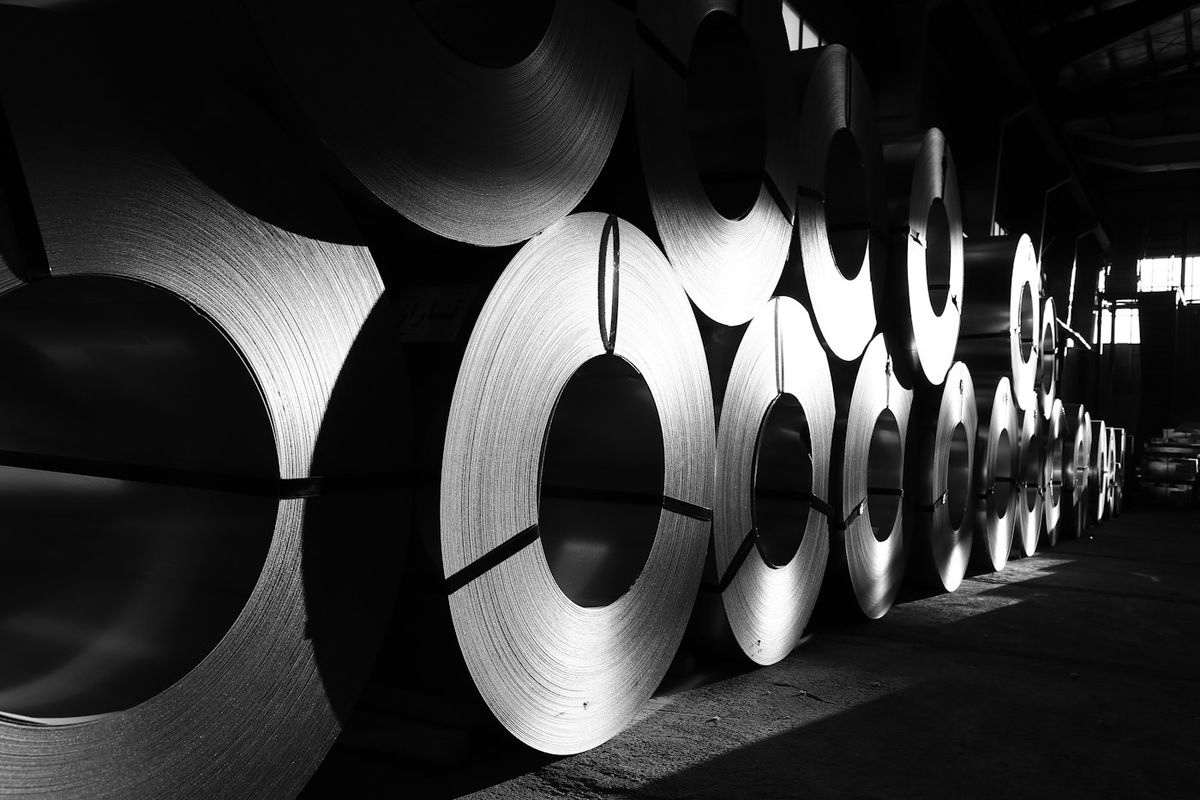
Rolls of stainless steel coil in a warehouse
Steel coil
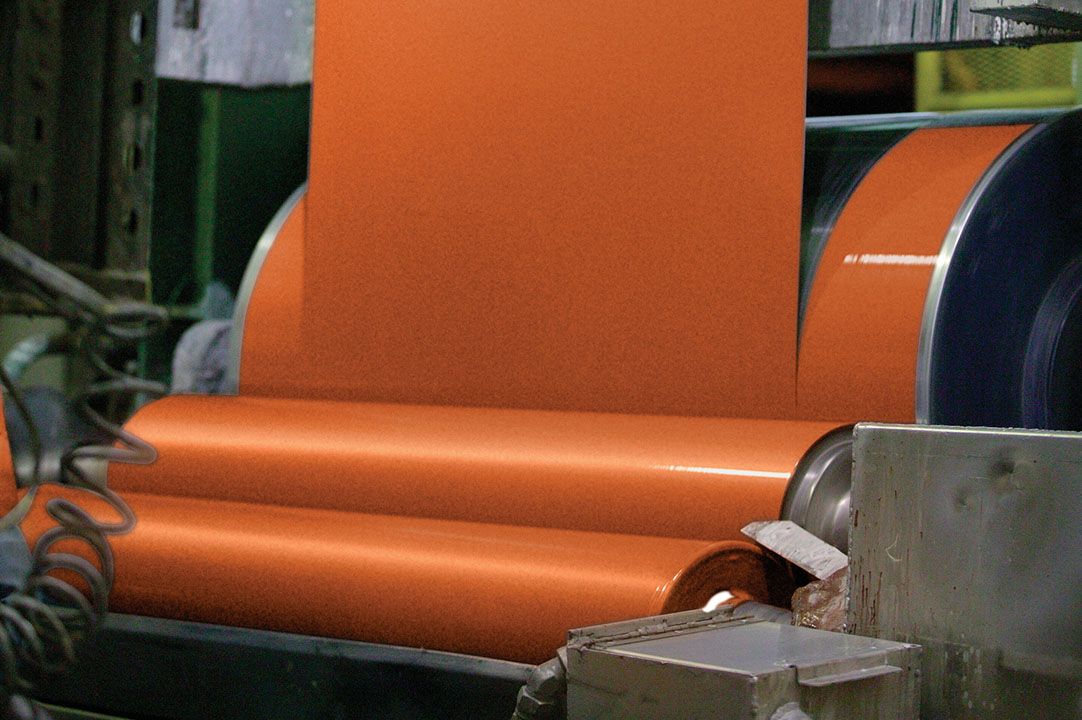
Steel coil running through a pre-coating line, orange paint on the strip
Coil coating
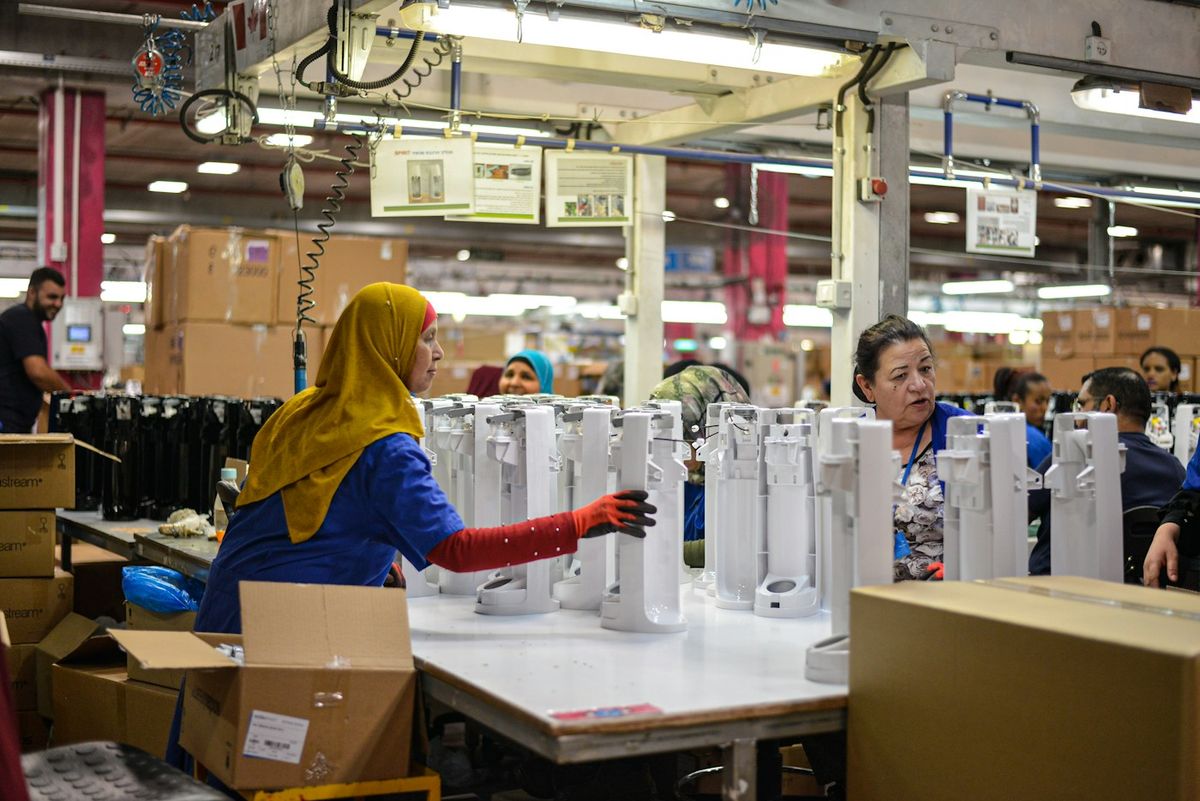
Workers on a final assembly and pack-out line
Final assembly and pack-out

Client program · A major consumer products manufacturer

Reshoring a steel product to North America

One supplier couldn't do it all well, so we built the supply chain from the raw material up.

What we did

Qualified three independent suppliers: a 430 stainless source, a pre-coating and painting partner, and a fabricator for forming, injection molding and final assembly. Pushed for highly automated production to cut direct labor and compete on cost with overseas sources, and ran joint reviews with every supplier in the room. In parallel, vetted a second source in China chosen for flexibility on new tooling.

Outcome

Tooling, line build and validation through start of production in North America.

The full story

The factory is only one node. Before a single part can run in North America, the metal, the coating and the fabrication capability all have to be in place, and pre-coating capacity here is thin. No single supplier could do all of it well.

So we built the chain from raw material up instead of adapting one existing supplier: a qualified 430-grade stainless source, a coil pre-coating and painting partner, and a fabricator with in-house automated stamping and injection molding for forming, molding and final assembly.

Landfall owned the schedule and the specs, and directed the work through tooling, line build-out and production validation on tolerances, plastics and cost. Because the three suppliers depended on each other, reviews were held jointly, with every supplier in the room. The second source in China is a mid-tier manufacturer picked for flexibility on new tooling and design iteration rather than raw volume, so future variants can move faster.

3independent suppliers
4processes, steel to assembly
2sources: North America and China
SourcingChina production start-up

Client program · A U.S. consumer brand

Sourcing and production start-up in China

Found, qualified and contracted a factory in China for a new durable product, then ran tooling, samples and validation through to first production, as the client's U.S.-side project lead.

Factory qualifiedTooling to first production
RepositioningNew shelves, new buyers

Client program · A traditional ethnic food brand

Repositioning a food brand for a broad U.S. audience

Read shifts in the business and at retail, and repositioned the brand around unmet needs of a wider audience: positioning, packaging, go-to-market and production changes.

More inbound inquiriesNew retail beyond core markets

Kapsule and home goods

Portfolio brands
Kapsule bottle, white with glass body Kapsule bottle, gray with glass body Kapsule bottle, blue steel Kapsule bottle, pink steel
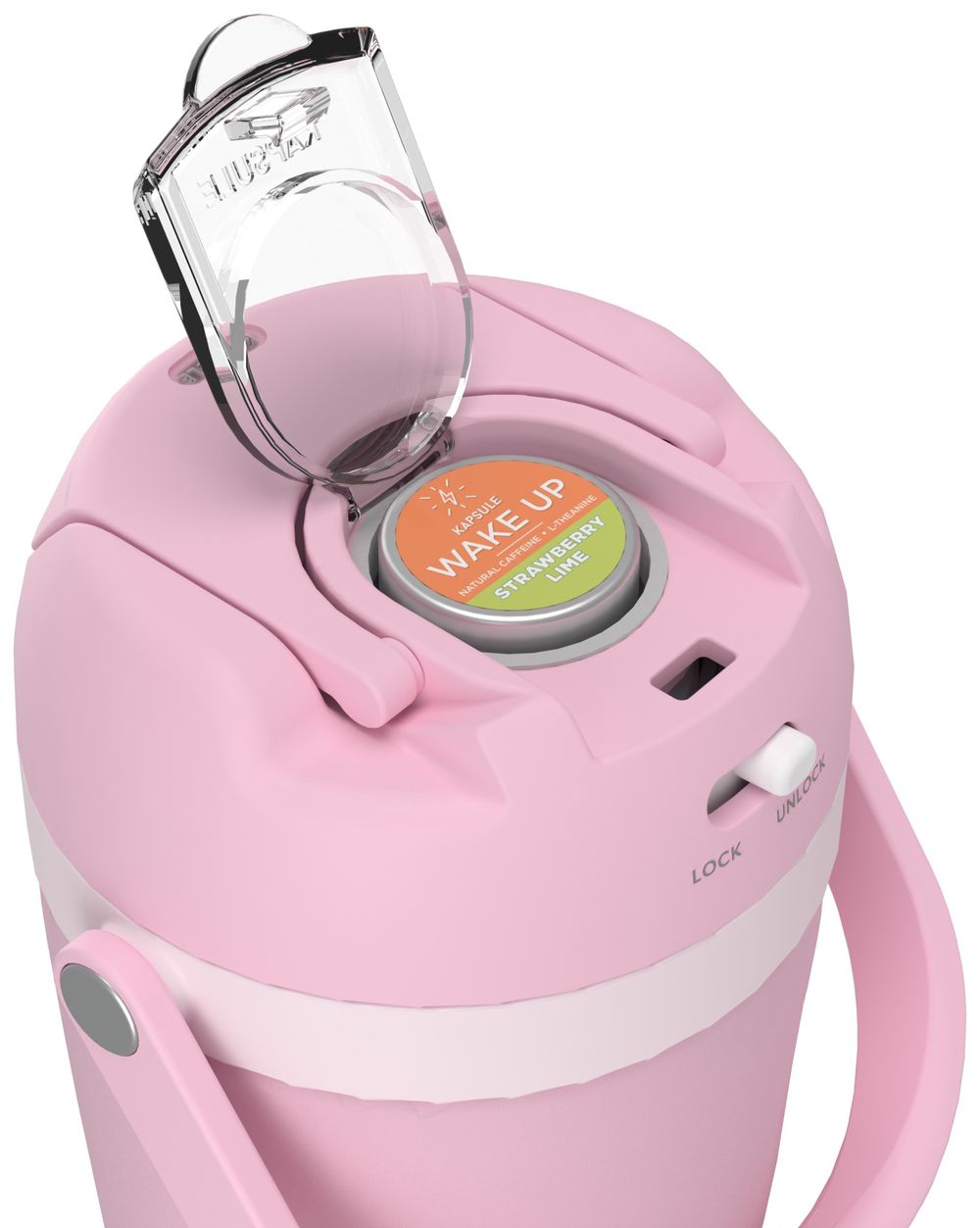
Kapsule lid open with a flavor pod seated inside
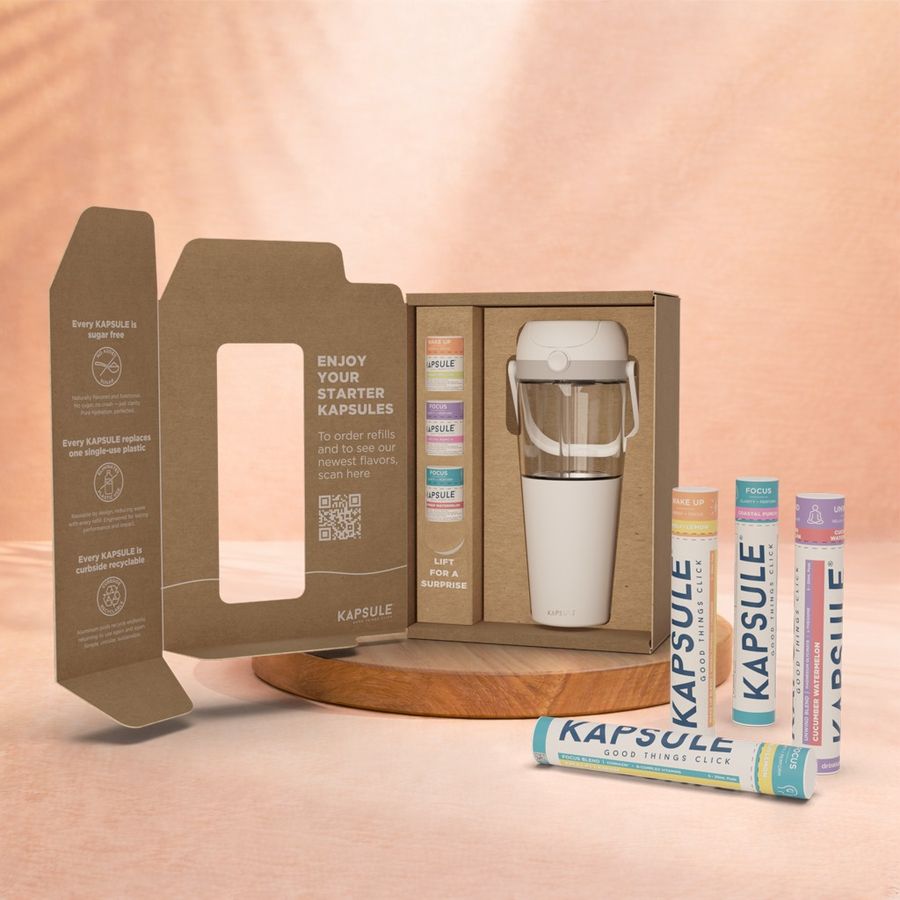
Kapsule starter kit box with bottle and pods

Portfolio · Kapsule

Sealed flavor pods that drop into a reusable bottle

A patented reusable bottle and pod system, taken from first mechanism to manufacturing.

What we built

Co-invented the spring-loaded lid that seats a pod, pierces it and releases it into the water. Built manufacturing from zero: chose the bottle factory with the best lid sealing, since that makes or breaks the product, and developed the aluminum pod for corrosion resistance, reliable piercing and long storage life.

3US patents, co-inventor
8SKUs in glass and steel
Home goodsFour-country supply chain

Portfolio · Home goods

Home goods lines made across four countries, sold at national retail

Branded candle, olivewood and textile lines built with makers in China, Vietnam, Thailand and Tunisia, from branding and packaging through production to national retailers through a major broker.

3 product lines4 countriesNational retail through a broker

simplehuman

Portfolio brand
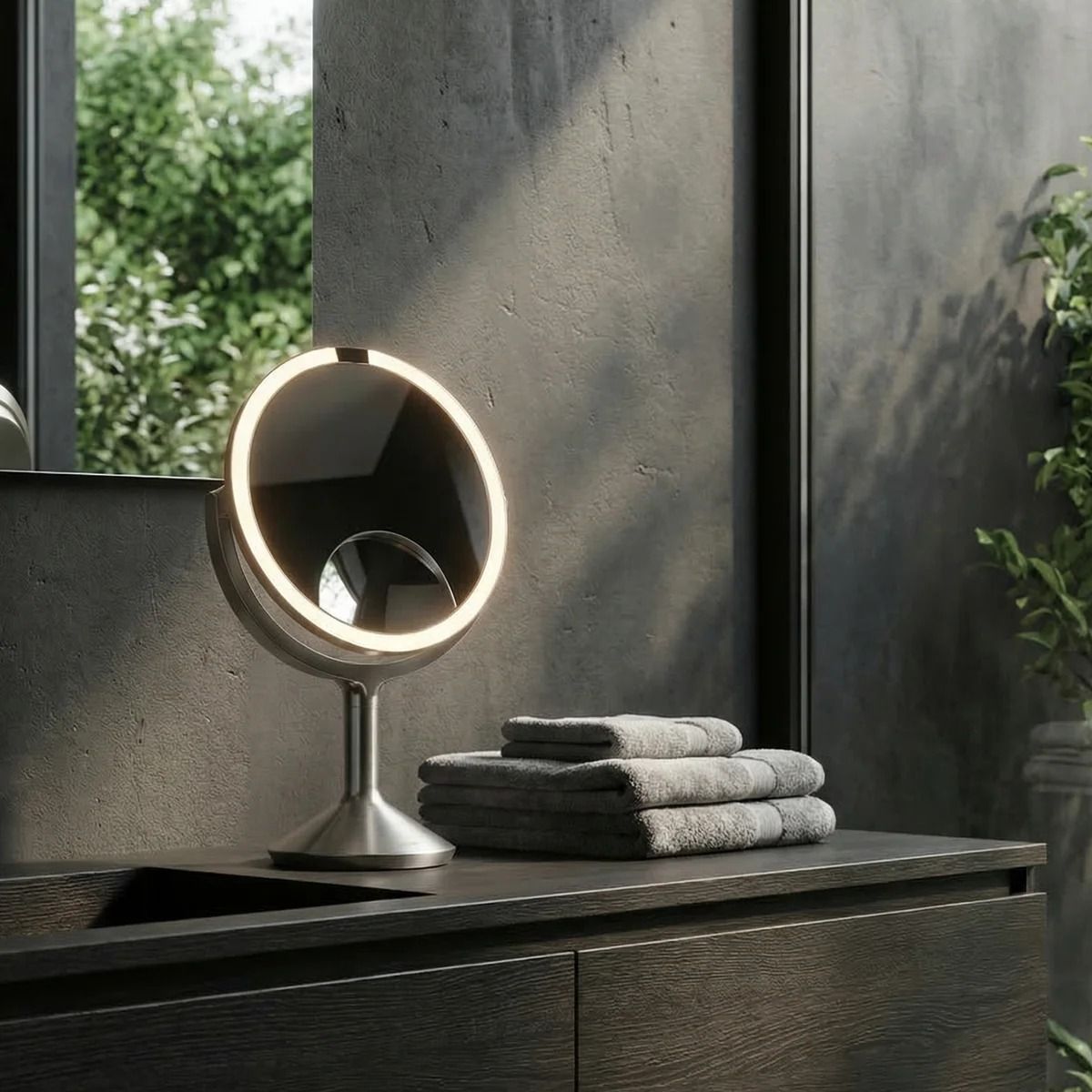
Lighted sensor mirror on a bathroom counter, glowing ring of light

Tru-Lux light ring, carried across five mirror formats.

Portfolio · simplehuman

A lighted mirror that shows makeup the way it will look in daylight

Lighted mirrors at the time gave uneven light with poor color. We pushed for true color over unit cost.

What we built

Daylight-matched 5,700K, CRI 95 LEDs after a review of nearly every LED maker, and a light guide from the flat-panel display industry that spreads light evenly around the glass. Accepted extra yield loss to trim away edge distortion. A sensor turns it on as you approach.

Outcome

A platform carried across tabletop, travel, wall-mount and multi-panel mirrors, up to Trio Max: the largest casting in any simplehuman product, with capacitive touch, an app for custom light scenes, and Alexa and Google integration. Hundreds of thousands shipped.

The full story

No light, no image, and most light drops part of the color spectrum, so flesh tones go missing. Doing your makeup, you don't see the right color on yourself, and you often look pale. The insight was simple: people judge makeup in the light where they're going, so the mirror had to come close to daylight.

After talking to nearly every LED maker, we found one that had developed an LED to help surgeons tell when reds are really red. To spread it evenly we borrowed from flat-panel displays: light enters a light guide, and micro-refractors carry it across the whole face with no hot spots. Where the glass curved at the edge there was a little distortion, so we accepted more manufacturing waste and cut those edges away.

Later, observational research showed people getting ready needed to see more than the face. That led to Trio Max: three panels with magnification for hair, makeup, eyes and lips, a quiet motorized flip, and a connected app to save custom light scenes.

CRI 95Tru-Lux lighting
7US patents
5mirror formats
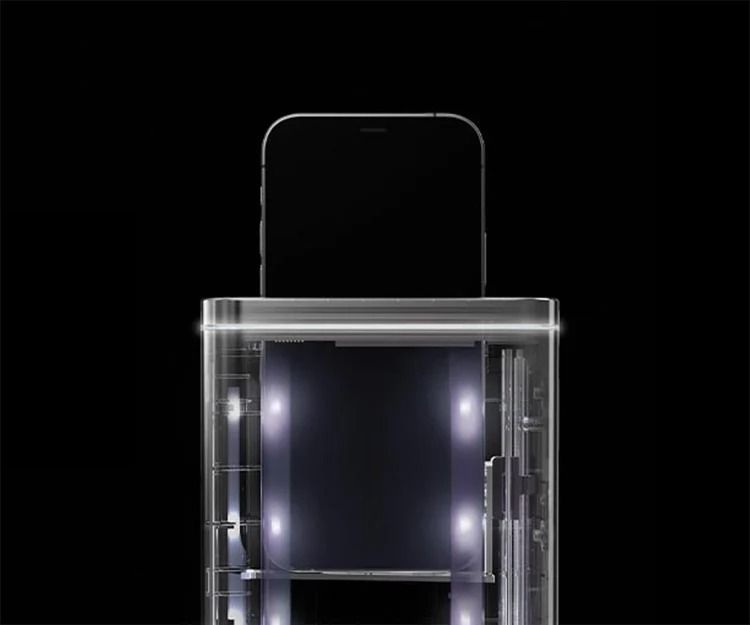
Phone lowering into a UV-C sanitizing chamber lit from inside

Portfolio · simplehuman

CleanStation: a hands-free UV-C phone sanitizer, built during COVID

Box sanitizers took one to ten minutes. We set out to do it in 30 seconds, with no buttons, on an eight-month schedule.

What we built

The whole program, from concept through R&D to a specialty supply chain and a newly onboarded factory. Outside optical and mechanical specialists joined daily technical reviews. A novel lift lowers and raises the phone without interfering with the UV cycle. When testing showed room to improve, we redesigned the phone platform and door flaps before launch.

Outcome

First shipment eight months after kickoff, with EPA registration.

The full story

The window for the product was the pandemic itself, with suppliers and test labs under strain. The rule was to compress the calendar, never the validation.

An engineering manager worked with an outside optical expert on the UV-C LED system, and an engineer worked with an outside mechanical designer on the device architecture, all in daily technical reviews. Extensive kill-efficacy testing proved 99.9% in 30 seconds.

Testing also surfaced two failures. The stamped metal phone platform had catch points that made phones stick, so it was redesigned. The door flaps tore under repeated cycling, so they were redesigned to cut friction. Both fixes landed before launch, without moving the ship date.

8 mokickoff to shipment
30 secsanitizing cycle
99.9%germ kill
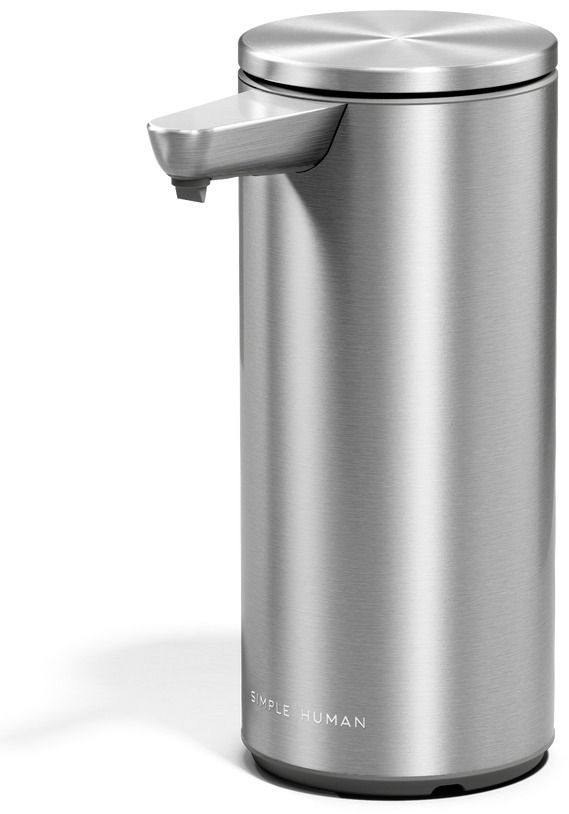
Stainless steel sensor soap pump

Portfolio · simplehuman

Sensor pump platform

A sealed, motor-driven pump that reads how close your hand is and dispenses to match. One platform for soap, dish and foam, then commercial dispensers and the first hands-free hot sauce dispenser, with Cholula.

Millions sold9 patentsHome + pro
The full story

Sealing the motor and the sensing let one waterproof platform work at the bathroom sink, the kitchen sink and in commercial settings.

In 2020 we took it somewhere new with Cholula: the first hands-free hot sauce dispenser. Hot sauce is not soap. It splatters, and it goes into a ramekin or to-go cup, not a hand. We added a valve to cut splatter, an upward-facing sensor to fill any size cup, and a cordless design that runs about nine months per set of batteries.

It launched in November 2020, sold to fans with a half-gallon of sauce, and went into restaurants, dining halls, stadiums, hotels and cruise ships through Cholula's foodservice program.

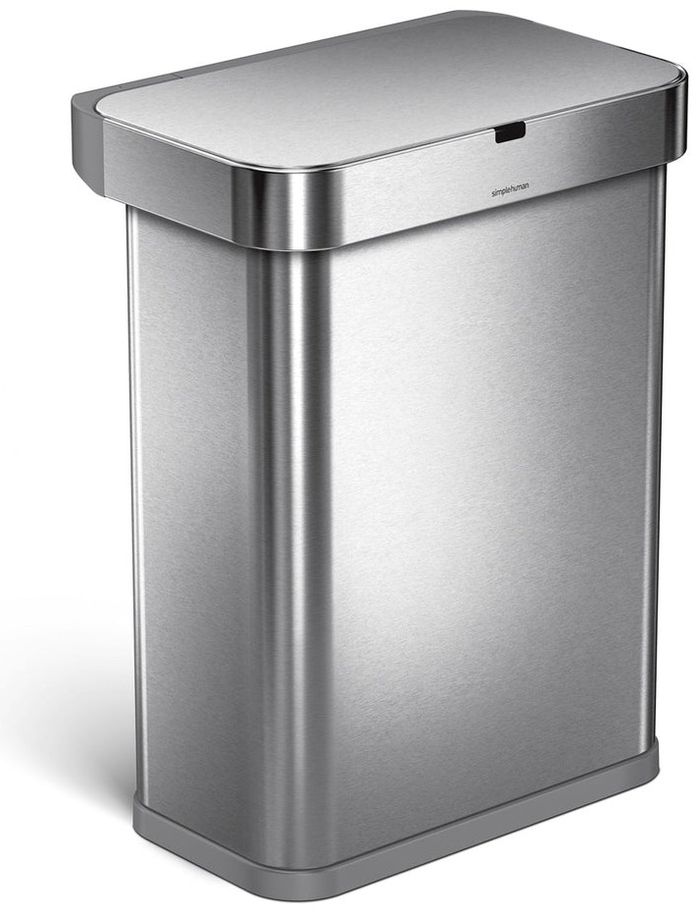
Rectangular stainless steel sensor trash can

Portfolio · simplehuman

Sensor can platform

Customer complaints became dual-mode sensing: only a deliberate wave opens the lid, wide zones track you, and it closes when you walk away. One drive across every can shape, then three-microphone voice control.

150,000 lid cycles15 patentsCES launch
The full story

The complaints were specific: lids closed too fast, and cans opened when people walked by. The fix was dual-mode sensing. When closed, sensitivity stays low so only a deliberate wave opens it. Once open, wide zones track you front, left and right, and the lid closes only when you walk away.

It was fixed first in software, then in more capable hardware with significant optical work. The lid drive uses variable gearing and a protective clutch so it opens fast, closes quietly and survives being forced, validated to 150,000 cycles. Voice control added three microphones with noise cancelling, and launched on time at CES with Google and Amazon integration. Sensor cans shipped in the hundreds of thousands.

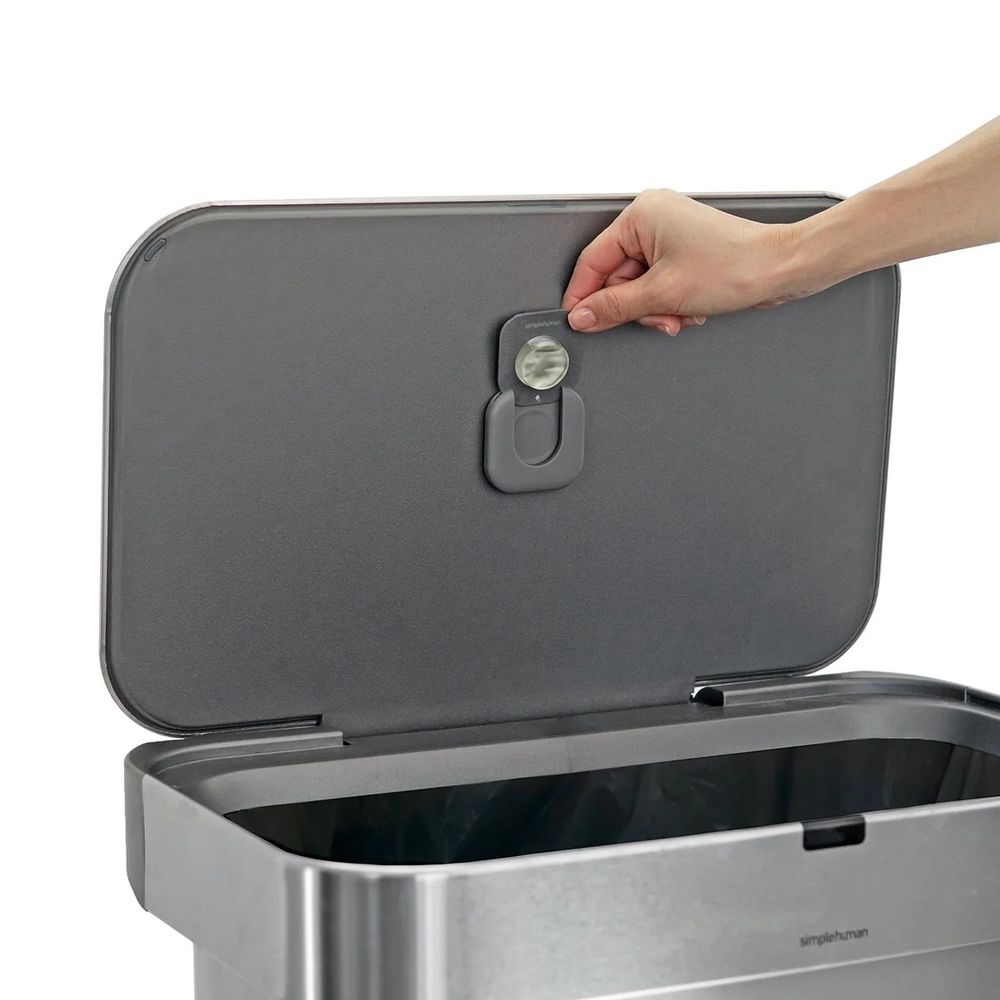
Hand placing an odor pod under the lid of a trash can

Portfolio · simplehuman

Odor control, two ways

First a repeatable test method: a full-spectrum challenge formula for household trash. Then a commercial-grade landfill formula in a controlled-release pod, with a membrane from an Italian specialist and a supply chain across four countries.

45 days per refill4 countriesDouble-digit consumables growth
The full story

Most odor products mask trash with fragrance or trap a little of it in carbon. To compare options honestly we built a standard test trash, including proteins that grow bacteria over time, and an in-house smell panel modeled on professional ones, so results held up over days, not minutes.

The winner came from an industrial trade show: a plant-oil chemistry used at landfills and wastewater plants, whose molecules bond with odor molecules and absorb them. It sprays as a mist in the field; a trash can needs slow, steady release from a sealed pod for weeks.

Two things broke in development. Large molecules migrated through the release film, so the film was reformulated. Standard adhesives failed under a lid opening all day plus dust, so we developed a custom one. Formulation, fill, film conversion and housing now run across four countries.

Patent record

US patents as inventor or co-inventor

Across lighting, sensing, motion and dispensing, with more pending.

  • Trash cans and sensing15
  • Soap and liquid dispensers9
  • Vanity mirrors7
  • Pod dispensers3
  • Trash liner (design)1

Full list on Justia Patents

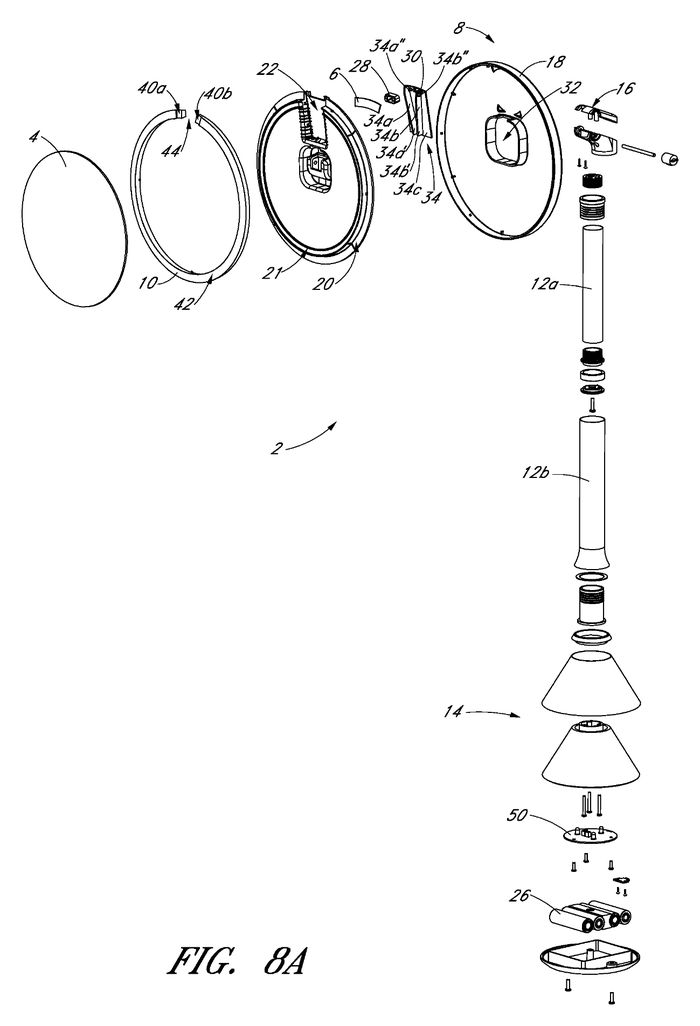
Patent drawing: exploded view of a vanity mirror
Vanity mirror
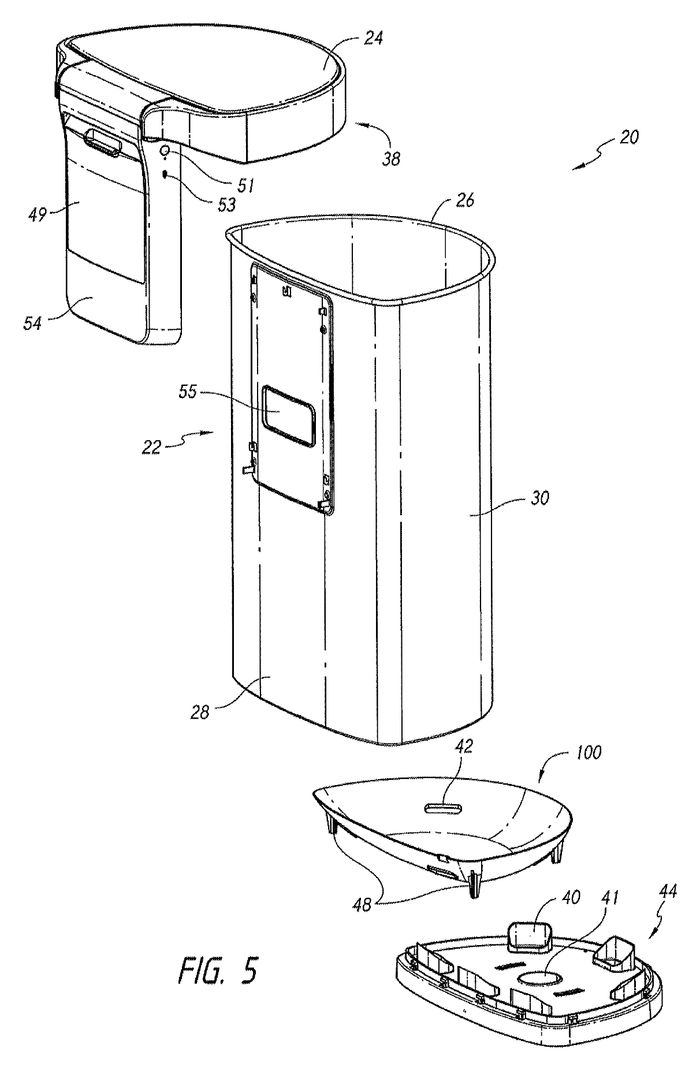
Patent drawing: exploded view of a sensor trash can
Sensor can
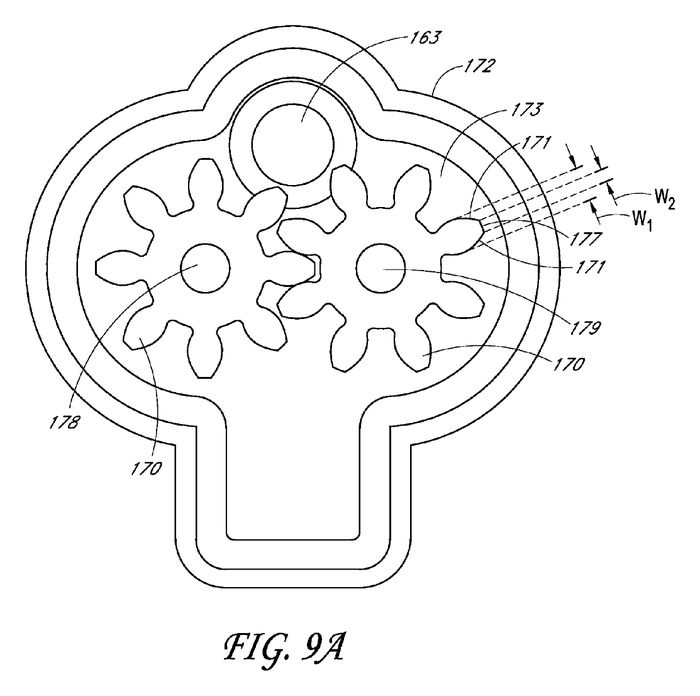
Patent drawing: gear pump section
US 9,763,546
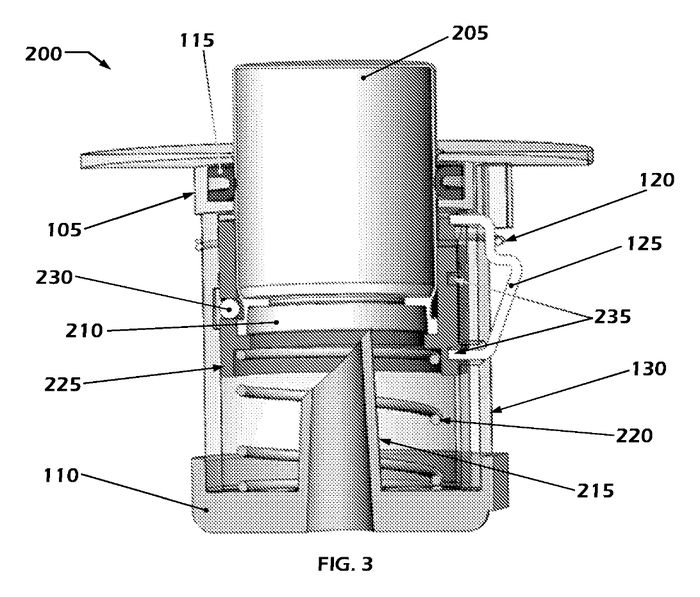
Patent drawing: pod dispenser cross-section
US 11,890,628

How we work

Five steps, each with something you can hold

Every program follows the same order. The last step matters most: if it can't be manufactured well and landed at cost, it isn't finished.

  1. Step 1

    Brief

    The product, the price it must hit, the retailer and the date, on one page. Every later choice is judged against it.

    One-page brief and target cost

  2. Step 2

    Design

    Shape the concept into something a factory can build: materials, tolerances, packaging and a first tooling plan.

    Spec pack and tooling plan

  3. Step 3

    Source

    Find factories that make this kind of product, visit or audit the shortlist, and quote everyone on the same basis.

    Shortlist and landed cost model

  4. Step 4

    Prove

    Run sample rounds, approve the first article against the spec, and review the first production line.

    Signed first article and line review

  5. Step 5

    Land

    Confirm packing and labeling, follow the order to the dock, and hand over a file your team can run.

    Landed order and handover file

Who's on the team

Partners

Vetted factories

Factories we have worked with and trust, plus a repeatable way to qualify new ones in China, elsewhere in Asia and North America.

Partners

Design and engineering

Industrial design and engineering partners, brought in per program and run as one team with yours.

In house

Audits, quality and testing

We prepare factories for audits and set up quality and testing systems, so problems are caught on the line, not at the dock.

Introductions

Retail brokers

Introductions to retail brokers when you are ready to sell in, drawn from relationships built launching products at national retail.

Working together

Start with a fixed scope

Each offer has a clear deliverable, so it's easy to say yes to. Most larger engagements start with a Diagnostic, then run in phases with a decision at each milestone.

Easiest first step

Supply chain diagnostic

A review of your current factories, costs, quality risks and tariff exposure, with a prioritized action plan.

Typical length2 to 3 weeks

New products

Factory sourcing and launch

Find, qualify and contract best-in-class factories in China, elsewhere in Asia or in North America, then run tooling, samples and validation to first production.

How it runsPhased, factory to first production

New categories

Product line build

Consumer insight, the product offering, engineering partners, packaging and supply chain for a new line, through launch.

How it runsPhased, brief to launch

A good fit if you are

  • A DTC hardware or home brand moving into retail and scaling production
  • A crowdfunded product that raised money and now has to be manufactured
  • Moving production out of China or back to North America because of tariffs
  • A founder-led brand launching your first electromechanical product
  • A PE-backed consumer company where product and sourcing need fixing
  • An Asian brand entering the U.S. that needs U.S. product and market judgment

Or work with us ongoing

Retainer

Advisory

Best for
Founders who need a senior operator on call.
How it runs
A standing block of time each month for reviews, supplier calls, quote checks and decisions.
What you get
Straight answers, a running action list, and introductions to factories we have vetted.

Scoped sprint

Project

Best for
A defined job with an end date: sourcing a product, costing a line, qualifying a second source.
How it runs
Fixed scope, named deliverables, a clear finish.
What you get
A shortlist, a cost model, a sample plan or a signed first article, depending on the scope.

About

A small, senior practice

Landfall is a founder-led core team, with vetted factories and design and engineering partners brought in per program and run as one team.

Landfall builds new product categories and the supply chains that make them. The portfolio spans sensor products, dispensing systems, odor control, reusable packaging and home goods, for brands including simplehuman and Kapsule.

Landfall was founded by Dave Wolbert, who started as a manufacturing engineer. So the work runs from strategy session to design review to factory floor, with the same people throughout.

GoogleAmazonDisneySanrioCliniqueCholula
  1. 01
    Senior people on every programNo hand-off to a junior team after the pitch
  2. 02
    Design and supply chain togetherProducts are designed for the factory that will make them
  3. 03
    A vetted networkFactories and partners in China, elsewhere in Asia and North America
  4. 04
    Measured by landed productThe job ends at the dock, not with a deck